


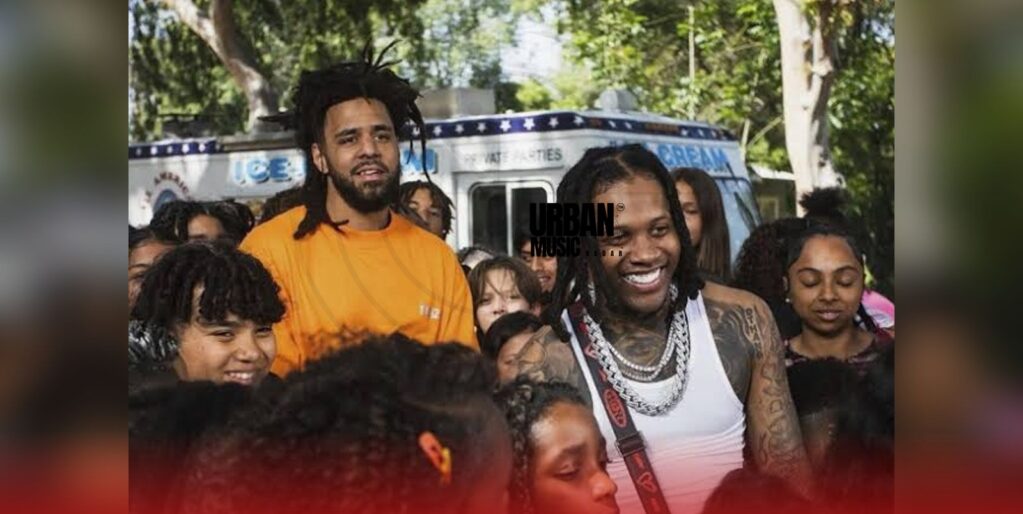
Durk And Cole Turn Pain Into Power On “All My Life”
Okay, look. I have to be honest right out of the gate. When I first saw the notification that Lil Durk and J. Cole had a track called "All My Life" dropping in the summer of 2026, I almost scrolled past it. My brain was fried from a week of listening to demos and lo-fi beats that all sounded the same. I was this close to hitting "ignore" and grabbing another coffee. But something stopped me. Maybe it was the sheer weight of those two names together again. Or maybe it was the universe telling me to pay attention. I clicked play, and honestly, I haven't been the same since. I had to pull my car over to the side of the road just to finish listening to it without any distractions. That is how much this hit me.
First Impressions
My initial reaction was pure shock. This is not the Durk I grew up on. Look, I love the gritty drill anthems as much as the next guy, but this? This is a different beast entirely. The second that gentle piano melody creeps in, you know you are in for something special. Then the children's choir hits the chorus, and I honestly got chills. I had to rewind it three times just to let that wave of emotion wash over me again. It is vulnerable, it is raw, and it is the most mature I have ever heard Durk sound. And then Cole comes in, and he doesn't just spit a verse; he delivers a sermon. It felt less like a rap song and more like a therapy session set to music. I was glued to my seat, just staring at my speakers in disbelief.

Who Is Lil Durk featuring J. Cole
To really get why "All My Life" matters, you gotta understand the history here. Lil Durk isn't just a rapper; he is a survivor. Coming straight out of the Englewood neighborhood on Chicago's South Side, his story is one of overcoming impossible odds. He rose from the early 2010s drill scene, grinding through mixtapes like "Signed to the Streets" while dealing with constant loss and pressure. He built his Only the Family (OTF) collective from the ground up. Watching him evolve from a street prophet to a Grammy-winning superstar has been one of the greatest privileges of being a hip-hop fan. He reached the Billboard 200 summit with projects like "7220," but this track feels like the summit of his artistic journey.
And then you have J. Cole. The man is a living legend, a wordsmith who can paint pictures with his pen that others can only dream of. When these two connect, it is not just a feature; it is a passing of the torch mixed with a deep mutual respect. Cole has that ability to ground a track, to bring a level of introspection that elevates the whole room. "All My Life" is a perfect storm. You have Durk's raw, lived-in pain colliding with Cole's philosophical social commentary. It is a partnership that feels destined, like they had to make this song together to complete a chapter in hip-hop history. This is the soundtrack to a victory lap for two men who have been counted out more times than we can count.
Breaking Down "All My Life"
So, what exactly makes this track work so perfectly? It is the contrast. The production, handled by Dr. Luke, is stripped back and cinematic. Instead of heavy 808s, you get a soft piano loop that supports the weight of the lyrics rather than burying them. Durk's delivery is melodic and desperate, breaking as he talks about mental health and the struggle to keep his head above water. The hook, backed by that powerful children's choir, is anthemic in a way that feels organic, not forced. It is a celebration of survival, a defiant shout to everyone who said he never would.
Then, J. Cole steps in and flips the script. His verse is dense, packed with bars about the music industry, the weight of fame, and the systemic issues plaguing the Black community. He doesn't try to out-sing Durk; he just raps his ass off. He brings the perspective of someone who has navigated the corporate side of the game and maintained his integrity. The music video, directed by Steve Cannon, is just as essential. It visualizes the message of community leadership and hope, showing Durk giving back and leading the youth. It is uplifting without being cheesy, which is a hard balance to strike.
My Verdict
This is more than just a single. "All My Life" is a statement. It proves that hip-hop can still be a vehicle for profound emotional expression and social commentary. In a time where the charts are flooded with auto-tune and mindless flexing, this track stands tall as a beacon of substance. It genuinely helped me reflect on my own struggles and my own journey. It is rare that a song can make you feel like you are not alone in your fight, but this one does exactly that. The fact that it won the Grammy for Best Melodic Rap Performance was not just a win for Durk, but a win for authenticity in the genre. You need this in your life. I promise you, you need to sit with this one.
Listen Now
Do not sleep on this record. Stream "All My Life" by Lil Durk featuring J. Cole right now if you need any reminder that resilience is the ultimate flex.
▶ Watch on YouTube● Listen on Spotify♫ Apple Music




HOT RIGHT NOW


© Urban Music Radar